
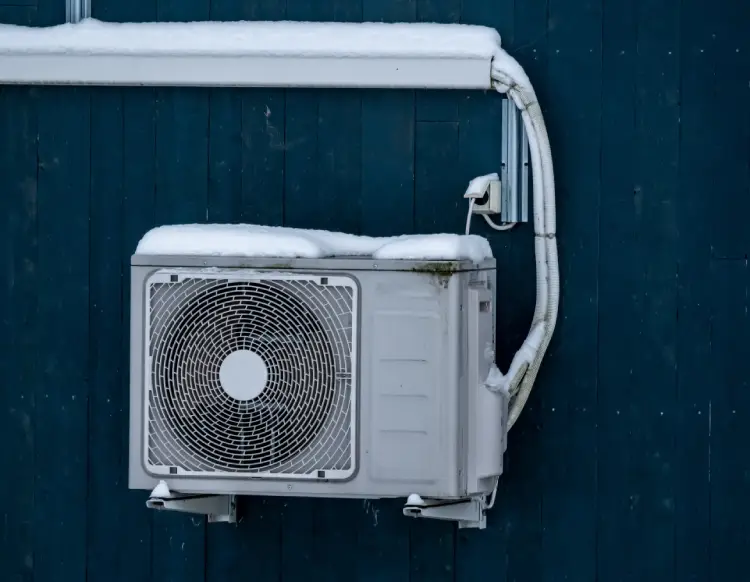
Living in the Portland–Vancouver metro area means dealing with a very specific climate reality: months of damp, mid-40s winter drizzle punctuated by sudden, freezing arctic blasts ripping down the Columbia River Gorge.
Choosing between a heat pump and a furnace isn’t about adapting to unpredictable weather—it’s about matching your equipment to these known local conditions, your neighborhood’s grid, and whether you want built-in central air for our increasingly hot summers.
Key Takeaways:
- Furnaces generate thermal energy inside the unit by igniting natural gas or passing electricity through heating coils, whereas heat pumps move existing thermal energy from outdoor air directly into your home.
- Heat pumps feature an integrated reversing valve that delivers both winter heating and summer cooling in a single unit, while furnaces only heat and require a separate central air conditioner for summer cooling.
- Heat pumps deliver exceptional energy efficiency during typical 40°F–50°F Pacific Northwest winters, while gas furnaces excel at rapid, high-temperature heat output during severe freezing events.
- Pairing an electric heat pump with a high-efficiency gas furnace in a dual-fuel setup automatically runs the heat pump during mild weather and switches to gas heating during extreme cold snaps.
Heat Pump vs Furnace – Which is Right for Your Home?
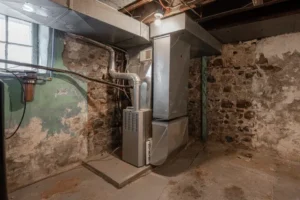
Upgrading your home’s heating system is easily one of the largest mechanical decisions you’ll face as a Vancouver WA homeowner. When that relentless damp Northwest rain settles in across the Portland–Vancouver metro area, choosing between a heat pump and a gas furnace isn’t just a technical decision—it impacts your monthly budget and your home’s year-round comfort.
At All Seasons Heating & Cooling, Inc., we don’t believe in pushing one-size-fits-all equipment. Whether you’re upgrading an aging gas furnace, trying to lower winter electric bills, or finally adding central AC for our increasingly hot summers, finding the right match comes down to your home’s existing setup, electrical capacity, and specific comfort goals.
Ready to schedule service?
Fill out our form and we'll be in touch in 30 minutes or less!
How Furnaces and Heat Pumps Work
Understanding the fundamental difference between these two systems helps clarify which technology fits your home best:
- Furnaces: Create thermal energy inside the unit by igniting natural gas or passing electricity through heating coils. A heavy-duty blower fan pushes this hot air through your ductwork to heat living spaces quickly.
- Heat Pumps: Extract heat rather than creating it. Operating like an air conditioner running in reverse, a heat pump pulls ambient thermal energy out of the outdoor air—even on chilly, overcast Northwest days—and transfers that warmth inside.
Comparing Key Heating Factors for Regional Homes
Operating Costs
Your monthly utility bill reflects how local power rates align with our climate reality. Natural gas furnaces provide predictable heating costs during sudden arctic cold snaps, but electricity rates across Oregon and Washington make heat pumps hard to beat for standard daily use. Because heat pumps transfer existing heat rather than burning fuel, they deliver significantly lower monthly operating costs through our typical 45°F, damp winter baseline.
- Advantage: Heat Pump (Lower ongoing monthly bills during standard PNW winters).
Performance in Cold Weather
Gas furnaces deliver intense, high-temperature heat directly from your supply vents no matter how far temperatures plummet outside. While legacy heat pumps used to struggle around the freezing mark, modern cold-climate heat pumps handle sub-freezing dips effortlessly without relying heavily on power-hungry auxiliary heat strips.
- Advantage: Gas Furnace (Provides immediate, maximum-temperature heat during severe sub-freezing freezes).
Energy Efficiency
Furnace efficiency is measured by AFUE (Annual Fuel Utilization Efficiency), with top-tier gas models converting up to 98% of their fuel into usable heat. Heat pumps use HSPF2 ratings to measure seasonal heating performance. Because a heat pump simply moves ambient heat rather than generating it from scratch, its operational efficiency regularly reaches 200% to 300%+ during mild Portland–Vancouver weather.
- Advantage: Heat Pump (Delivers multi-hundred percent operational efficiency by transferring heat rather than generating it).
Installation Considerations
Swapping an aging gas furnace for a modern model is straightforward, utilizing your home’s pre-existing gas lines, flue venting, and electrical connections. Installing a heat pump requires setting an outdoor compressor unit, running dedicated electrical wiring, and plumbing refrigerant lines to an indoor air handler or existing furnace coil.
- Advantage: Gas Furnace (Simpler, direct swap if your home already has established gas lines and venting).
Maintenance Requirements
Gas furnaces sit completely idle through late spring and summer, requiring only a single annual safety inspection and tune-up every autumn. Heat pumps work continuously year-round—heating through damp winters and cooling through dry summers—requiring bi-annual service in spring and fall to clean coils, verify refrigerant levels, and inspect electrical components.
- Advantage: Gas Furnace (Requires half the routine maintenance inspections because it rests all summer).
Equipment Lifespan
A well-maintained gas furnace routinely lasts 15 to 20 years because it only operates during the colder months of the year. Heat pumps generally have an expected lifespan of 10 to 15 years due to the mechanical wear and tear of year-round operation handling both heating and summer cooling duties.
- Advantage: Gas Furnace (Longer overall equipment lifespan due to resting six months out of the year).
Air Conditioning Capability
A furnace is strictly a heating unit; keeping your home cool during increasingly severe summer heatwaves requires purchasing and installing a separate central air conditioner. Heat pumps feature a built-in reversing valve that flips the flow of refrigerant, offering fully integrated heating and cooling from a single outdoor system.
- Advantage: Heat Pump (Provides built-in central air conditioning without requiring a separate cooling unit).
Side-by-Side Comparison
| Feature | Natural Gas / Electric Furnace | Air-Source Heat Pump |
| Primary Function | Generates new heat from fuel or electric coils | Transfers heat into or out of the building |
| Cooling Function | Requires a separate central air conditioner | Integrated heating and cooling in one unit |
| Ideal Climate | Excels in prolonged sub-zero regions | Excels in mild to moderate climates |
| Maintenance | Once per year (Autumn) | Twice per year (Spring & Autumn) |
| Typical Lifespan | 15–20 Years | 10–15 Years |
Are Rebates and Tax Incentives Available in OR & WA?
Yes, financial incentives are available, but what you qualify for depends on whether you choose a heat pump or a gas furnace, your household income, and your utility provider.
Many direct federal tax credits under the Inflation Reduction Act expired at the end of 2025, but homeowners in Oregon and Washington can still save thousands of dollars through active local utility programs, state initiatives, and upcoming rebate allocations.
Active Incentives Available Today
These programs are fully operational across Oregon and Washington. Homeowners can claim these savings immediately through participating utility networks or state program administrators.
Active Incentives (Available Today)
| Equipment | Savings | Program | Key Details | Regional Availability |
| Heat Pumps & Furnaces | $800 – $3,000+ | Energy Trust of Oregon | Cash-back for PGE, Pacific Power, or NW Natural customers. Higher tiers for LMI via Savings Within Reach. | OR: Active. Requires Trade Ally contractor. |
| Heat Pumps & Hybrids | $500 – $2,500+ | SW WA Utilities (Clark PUD, PSE) | Utility rebates for air-source, ductless, or dual-fuel systems replacing electric/gas heat. | WA: Active. Utility rules apply (AHRI certificates, network contractors). |
| Heat Pumps & Weatherization | Up to $5,000+ | WA Climate Commitment Act | Direct grants/rebates for heat pumps, panels, and insulation for households ≤150% AMI. | WA: Active. Administered via local Community Action Agencies. |
| Dual-Fuel Systems(Heat Pump + Gas) | Combines Electric + Gas | Stacked Utility Programs | Pair electric heat pump incentives with gas furnace/thermostat rebates (e.g., NW Natural). | OR & WA: Active. Subject to utility stacking rules & efficiency minimums. |
Unlaunched Federal IRA Programs
NOTE: THESE PROGRAMS ARE NOT ACTIVE AT THE TIME OF WRITING. REBATES ARE NOT RETROACTIVE.
Equipment installed before official state program launch dates will not qualify. Do not make purchasing decisions based on unlaunched funds.
| Equipment | Savings | Program | Key Details | Regional Availability |
| Electric Heat Pumps | Up to $8,000 | Federal HEAR / HARP (IRA) | Instant point-of-sale discount for households under 150% AMI (covers up to 100% under 80% AMI). | OR & WA: Unlaunched. Awaiting final DOE authorization. |
| Whole-Home Upgrades | $2,000 – $8,000 | Federal HOMES (IRA) | Performance-based rebate for whole-home energy cuts (20%+). Open to all income levels. | OR & WA: Unlaunched. Portal architecture in development. |
The Final Verdict – Which Should You Choose?
Here in the Portland metro area, we live in what is considered a “mild maritime climate.” Because extreme sub-zero weather is rare in our area, a modern heat pump is a smart choice for many homes in Vancouver WA. You get energy-efficient winter heating tailored to Pacific Northwest weather, plus built-in central air conditioning to keep your home cool during increasingly warm summer months.
Choose a Heat Pump If:
- You want year-round climate control in a single system without purchasing, installing, or maintaining a separate central air conditioner for increasingly hot PNW summers.
- Your primary goal is lowering annual energy bills by capitalizing on Portland and Vancouver’s mild 40°F–50°F winter baseline, where heat pumps reach 200% to 300%+ operational efficiency.
- You want to maximize immediate savings by tapping into active regional utility rebates through Energy Trust of Oregon or Clark Public Utilities.
- You are replacing an existing electric resistance furnace or heat pump setup, allowing for a direct infrastructure swap without running new gas lines.
Choose a Gas Furnace If:
- You prioritize lower initial upfront equipment and installation costs over long-term monthly energy savings.
- You prefer immediate, high-temperature discharge heat from your supply vents during winter drops, rather than the steady, lower-temp airflow of a heat pump.
- Your home already has an established natural gas connection and flue venting in good structural condition.
- Your electrical panel has limited capacity (e.g., an older 100-amp service) and you want to avoid paying thousands of dollars for an electrical service upgrade.
When Does a Dual Fuel System Makes Sense?
If you want the energy efficiency of a heat pump during damp spring and autumn months alongside the raw heating power of gas during a sudden cold freeze, a dual-fuel system (also called a hybrid system) offers the best of both worlds.
In a dual-fuel configuration, All Seasons Heating & Cooling, Inc. installs an electric heat pump alongside a high-efficiency gas furnace. During typical 40°F to 50°F days, the heat pump heats your home using electricity. When an arctic air mass brings freezing temperatures down the Columbia River Gorge, your thermostat automatically switches over to the gas furnace to maintain indoor warmth without overloading your electric system.
Choose a Dual-Fuel System If:
- You want optimal efficiency year-round alongside maximum heating power during severe Columbia River Gorge freezing events.
- You prefer automated climate management that runs the heat pump on electricity during mild weather and automatically switches to gas heating when temperatures drop below freezing.
- You want to protect yourself against fluctuating utility costs by utilizing whichever fuel source (electricity or natural gas) is most cost-effective at any given time.
- You are replacing an aging furnace and want to add central air conditioning while keeping the reliability of a gas backup system.
Call All Seasons Heating & Cooling, Inc. for Heat Pump and Furnace Installation in Vancouver WA!
If your heating system is aging or you want to explore energy-efficient upgrades, contact All Seasons Heating & Cooling, Inc. today for an expert consultation tailored to your home. We can help you evaluate your heating system needs and make the best choice for your comfort and your bank account.
Ready to find out what size HVAC system your home really needs? Contact All Seasons Heating & Cooling, Inc. today and we’ll get you started with a service quote.
