
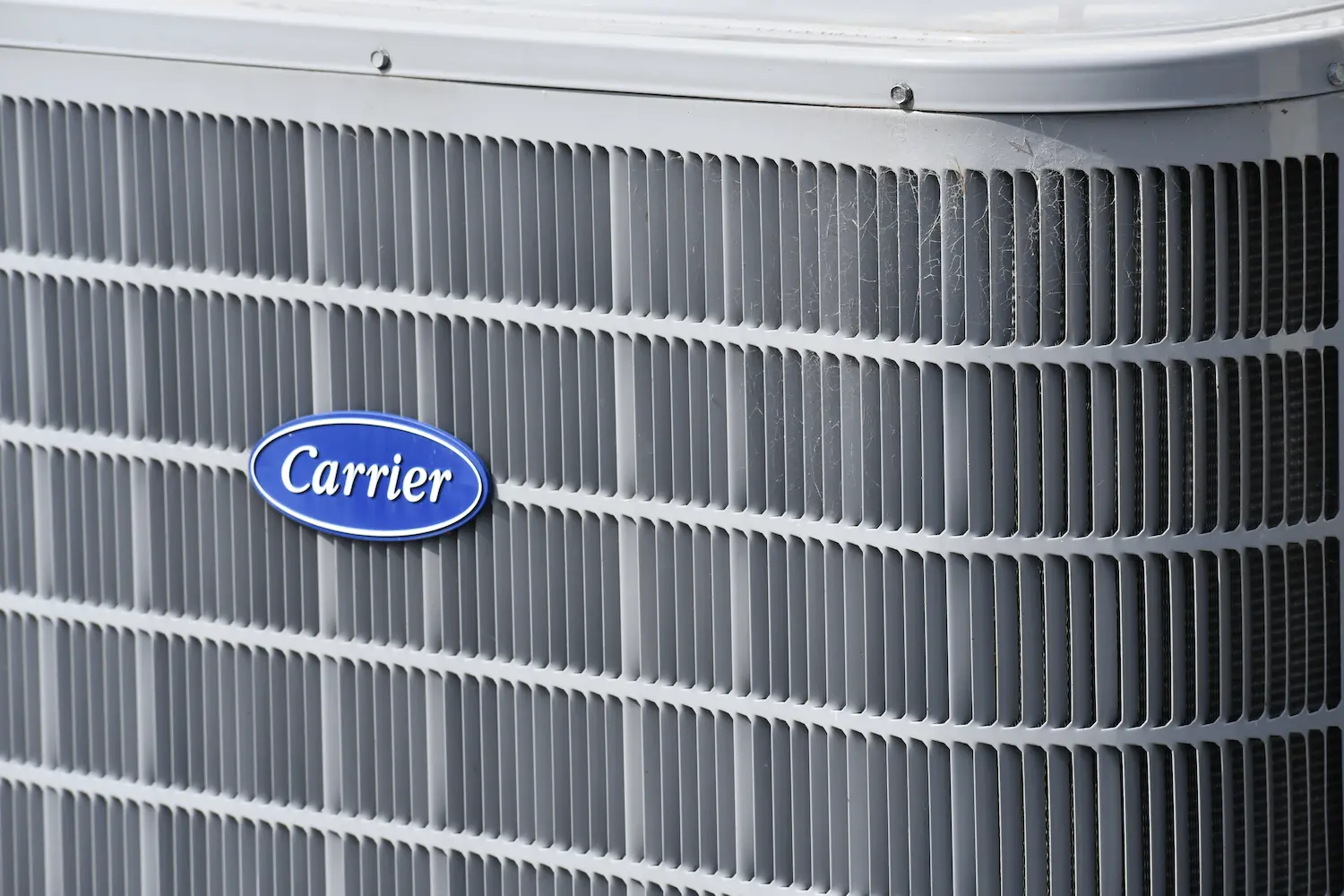
Are you thinking about replacing your heating and cooling system? Making the right choice can feel overwhelming with so many options available.
Choosing a new HVAC system is a big decision, but you don’t have to figure it out alone. We’ve helped countless homeowners and business owners throughout Vancouver WA find the perfect HVAC solution for their needs.
At All Seasons Heating & Cooling, Inc., we’re committed to helping you find the perfect heating and cooling solution for your home or business. These HVAC replacement considerations can help you make a confident, informed decision.
Proper System Sizing
One of the biggest mistakes homeowners make is thinking a larger system will work better. The truth is, an improperly sized HVAC system can cause more problems than it solves.
An oversized system might sound like a good thing, but it actually creates serious issues:
- Short cycling: The system turns on and off too frequently
- Uneven temperatures: Some rooms feel too cold while others stay warm
- Poor humidity control: The system doesn’t run long enough to remove moisture
- Higher energy bills: Frequent starts and stops waste electricity
- Shorter equipment life: All that cycling wears out components faster
On the flip side, a system that’s too small struggles to keep up high demands:
- Constant running: The system never reaches your desired temperature
- Sky-high utility bills: Non-stop operation drives up costs
- Excessive wear: Equipment wears out prematurely from overwork
- Uncomfortable home: You never quite feel comfortable
Professional HVAC installers look at several factors, including square footage, number of windows, insulation levels, ceiling heights, and local climate conditions.
Energy Efficiency & SEER Ratings
When shopping for a new air conditioner or heat pump, you’ll see a lot of talk about Seasonal Energy Efficiency Ratio (SEER) ratings. As of 2023, the industry switched to SEER2, which uses updated testing procedures.
Here’s what else you need to know:
- Higher numbers mean better efficiency: A 16 SEER2 system uses less energy than a 14 SEER2 system
- Minimum requirements vary by region: Southwest Washington requires a minimum of 14.3 SEER2 for new installations
- High-efficiency systems can reach 20+ SEER2
This efficiency rating can directly impact your wallet. A more efficient system uses less electricity to produce the same amount of cooling.
For example, upgrading from an old 10 SEER system to a new 16 SEER2 system could reduce your cooling costs by nearly 40%. Over 15-20 years of use, those savings really add up!
Should I Pay More for Higher Efficiency?
Higher efficiency systems cost more upfront. So when does it make sense to invest in premium efficiency?
- You plan to stay in your home long-term: More years mean more savings.
- You use your AC frequently: Heavy users benefit most from efficiency.
- Electricity rates are high in your area: Higher rates mean bigger savings.
- Available rebates reduce the price gap: Incentives can make the upgrade more affordable.
Comfort & Airflow Needs
Does your home have rooms that are always too hot in summer or too cold in winter? You’re not alone.
Many homeowners deal with comfort issues that a new HVAC system can help solve:
- Uneven Temperatures Between Rooms: A new system installation is the perfect time to address issues like poor ductwork, insufficient return air, and old equipment.
- Hot and Cold Spots: Frustrating areas that never feel comfortable often point to leaky ductwork, inadequate insulation, and single-speed equipment.
- Ductwork, Insulation, and Airflow Considerations: Your HVAC system is only as good as the ductwork that delivers the air.
- Heat Pump or Traditional System?
A heat pump is essentially a traditional air conditioner that can work in reverse. In the summer, it removes heat from your home. In winter, it extracts heat from outdoor air and brings it inside.
One of the most significant advantages of a heat pump is its versatility. It can be used for both heating and cooling while also reducing humidity in the air.
Heat pump systems are an ideal, all-in-one solution for managing your indoor climate while potentially lowering energy costs. They may be a better option if you want one system for heating and cooling, a reduced carbon footprint, access to rebates, or replace both your AC and furnace.
Installation Costs & Long Term Value
When reviewing quotes for your HVAC replacement, you might be tempted to simply choose the lowest price. That approach can backfire. A system that costs more upfront but runs efficiently and lasts longer often costs less in the long run.
The true cost of an HVAC system includes the initial purchase and installation price, monthly energy costs over 15-20 years, maintenance expenses, repair costs, and replacement timing.
A rock-bottom price often comes with hidden trade-offs, such as:
- Lower-quality equipment: May need replacement sooner
- Rushed installation: Can lead to performance problems
- Minimal warranty coverage: Leaves you exposed to repair costs
- Inexperienced technicians: Mistakes can be expensive to fix
A comprehensive quote should include:
- Quality equipment from trusted manufacturers like Carrier
- Proper installation by certified technicians
- Strong warranties that protect your investment
- Necessary permits and code compliance
- System testing to verify proper operation
Possible Ductwork Replacement
Your ductwork is the highway that delivers conditioned air throughout your home. Even the best HVAC system can’t overcome poor ductwork.
A new, more powerful system can actually make ductwork problems more obvious. Common problems we see include: leaky connections, lack in insulation, improper sizing, and ducts that are dirty.
So watch for these signs your existing ductwork may be limiting performance:
- Visible damage: Crushed, disconnected, or sagging ducts
- Age: Ductwork over 15-20 years old may be deteriorating
- Poor airflow: Weak air coming from vents
- Excessive dust: Dirty ducts spread contaminants
- Uneven temperatures: Some rooms don’t get enough air
HVAC Warranty & Maintenance
Most HVAC equipment comes with warranties covering the compressor (often 10 years), parts (usually 5-10 years), and the heat exchanger (sometimes lifetime on furnaces). However, manufacturer warranties can be voided by improper installation, which is why choosing qualified HVAC installers matters so much.
Regular maintenance also keeps your system running efficiently and helps prevent breakdowns. And when you get on a maintenance plan, you can get annual or bi-annual tune-ups, filter change reminders, and priority scheduling for repairs.
Lifespan
Your system’s actual lifespan may vary based on usage, maintenance, and installation quality. Typical lifespans with proper maintenance include:
- Air conditioners: 15-20 years
- Heat pumps: 15 years
- Gas furnaces: 15-20 years
- Ductless mini splits: 20+ years
Your system will last longer when you invest in quality equipment and installation and regular maintenance.
Rebates, Tax Credits, & Financing Options
Incentives can dramatically change the math on which system makes sense. Several programs may help offset the cost of a new system, including utility rebates, federal tax credits, and manufacturer rebates.
We recommend checking current incentives before finalizing your decision.
Let All Seasons Heating & Cooling, Inc. Help Weigh Your Options
With customer satisfaction as our top priority, you will always get service you can count on. We’ll perform a thorough inspection and provide you with the best products for your new HVAC installation.
Ready to take the next step in your HVAC replacement journey? Fill out our form here and we’ll be in touch in 30 minutes or less! Or give us a call at 360-944-7611.
